







©Copyright 2018 GEOSCIENCE RESEARCH INSTITUTE
11060 Campus Street • Loma Linda, California 92350 • 909-558-4548

All Galleries
All Images











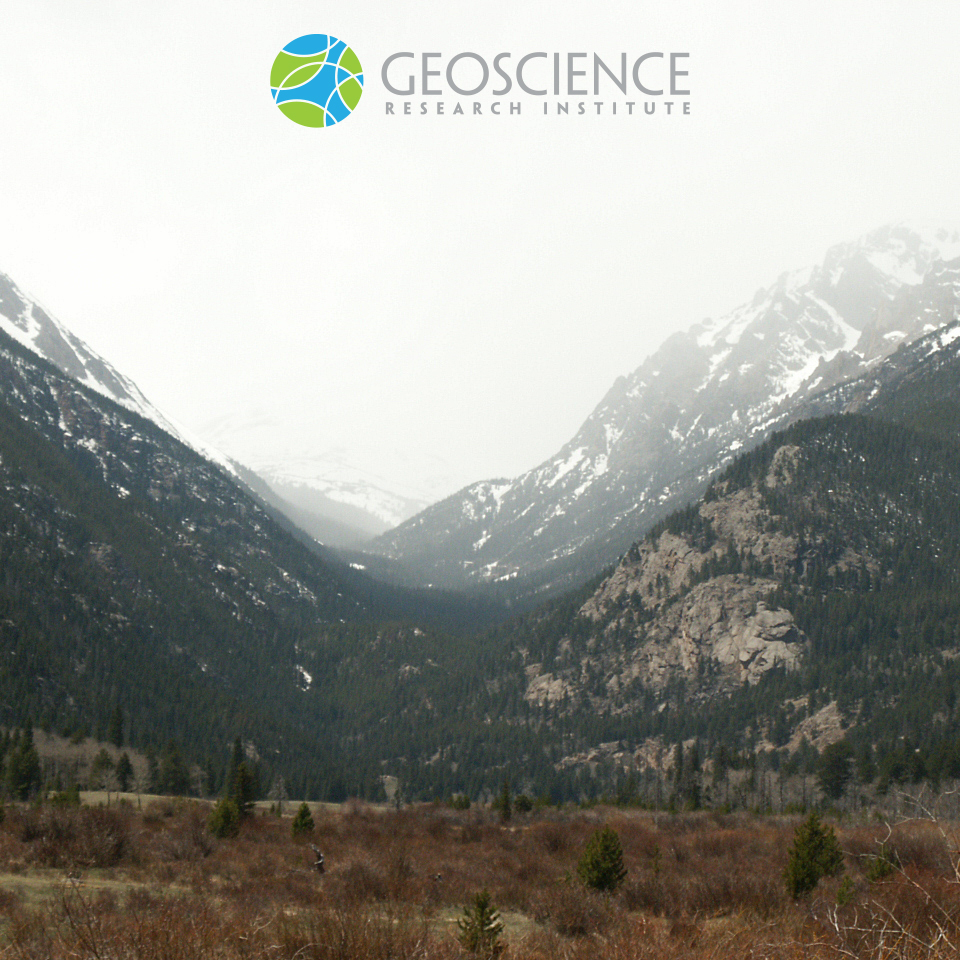
U-shaped valley
Characteristic U-shaped profile of a glacial valley. Broadening and flattening of the valley floor and steepening of the valley flanks are attributed to erosion by a glacier. After melting and retreat of the ice tongue, a U-shaped valley can be further modified by alluvial processes. Picture taken at Rocky Mountain National Park (CO).
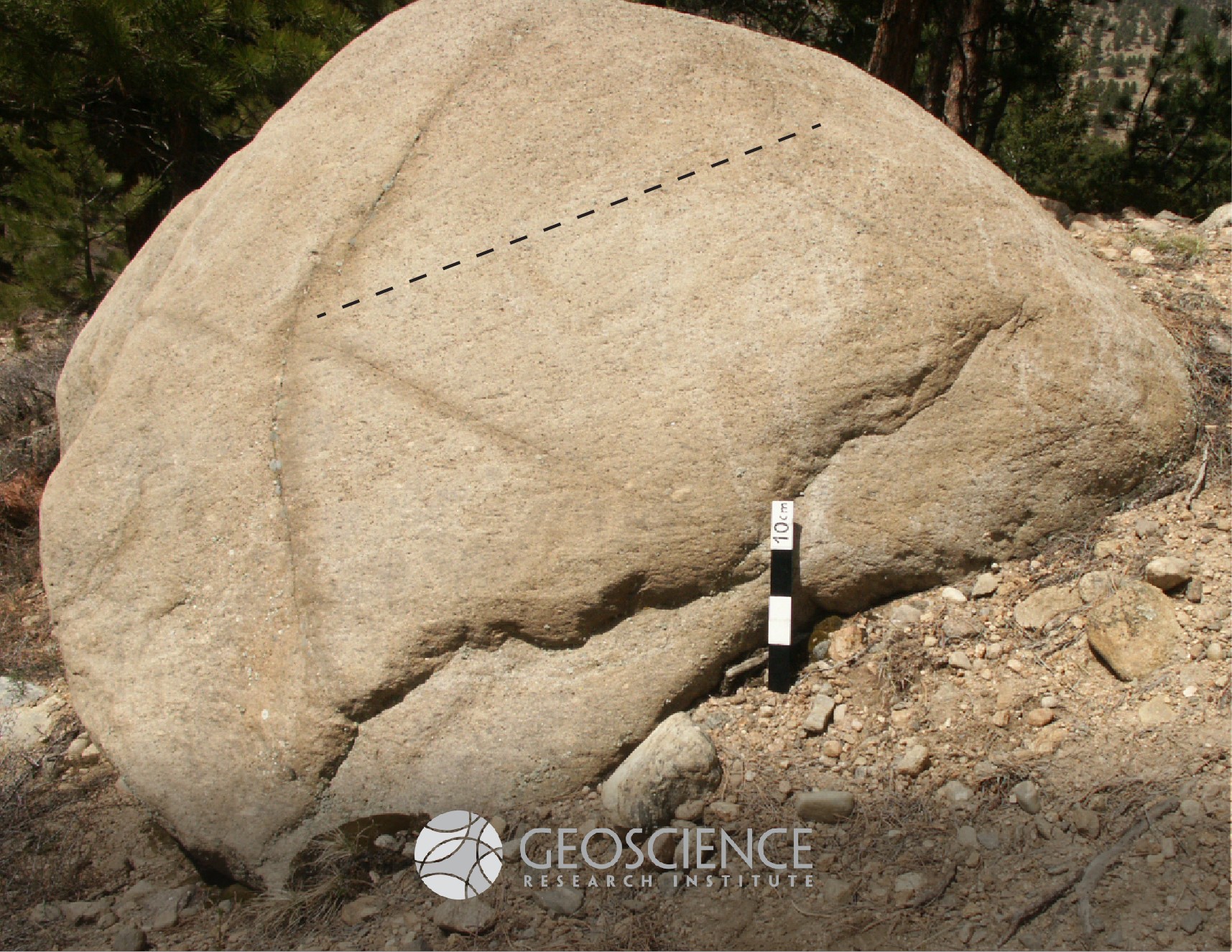
Striations
In glacial environments, rocks transported by ice can be grinded by friction with bedrock or other rocks. This physical abrasion can leave distinctive marks such as "facets" (flat, polished surfaces on clasts) and "striations" (linear grooves, typically parallel to the direction of ice flow). This faceted and striated boulder was photographed at Rocky Mountain National Park (CO), within glacial moraine deposits. Dashed line added to indicate main orientation of striations. Scale in 10 cm increments.
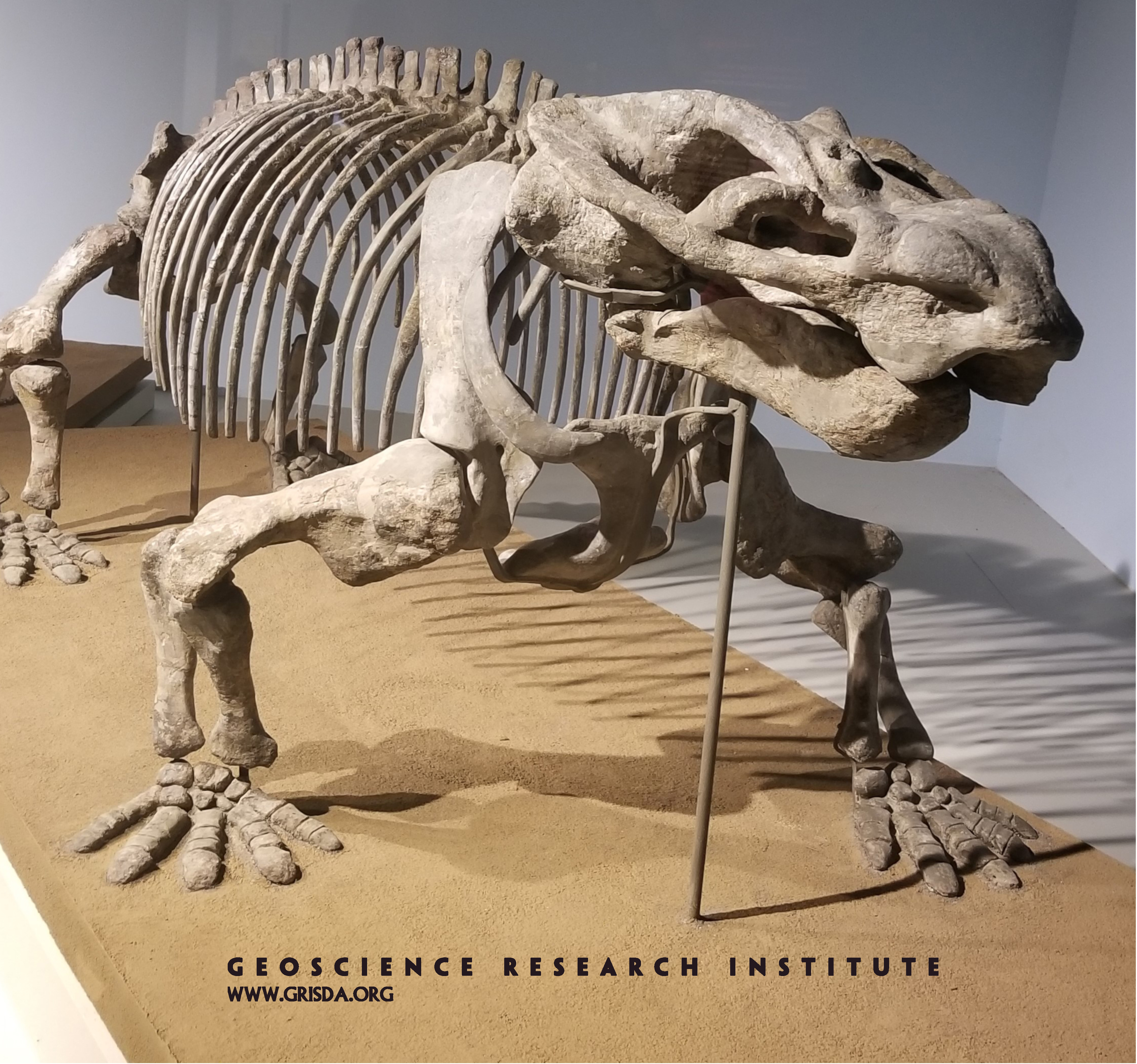
Aulacephalodon peavoti
Reconstruction of the skeleton of a dicynodont synapsid, from the Permian of South Africa, on display at the Field Museum of Natural History, Chicago. These large animals with big barrel-shaped trunks are thought to have been herbivores.
GrandMesaLandOLakesViewpointStriations
Glacial striations, Land o' Lakes view on Grand Mesa --- The horizontal scratch marks in this picture were formed as rocks embedded in the bottom of glaciers moved across this bedrock.
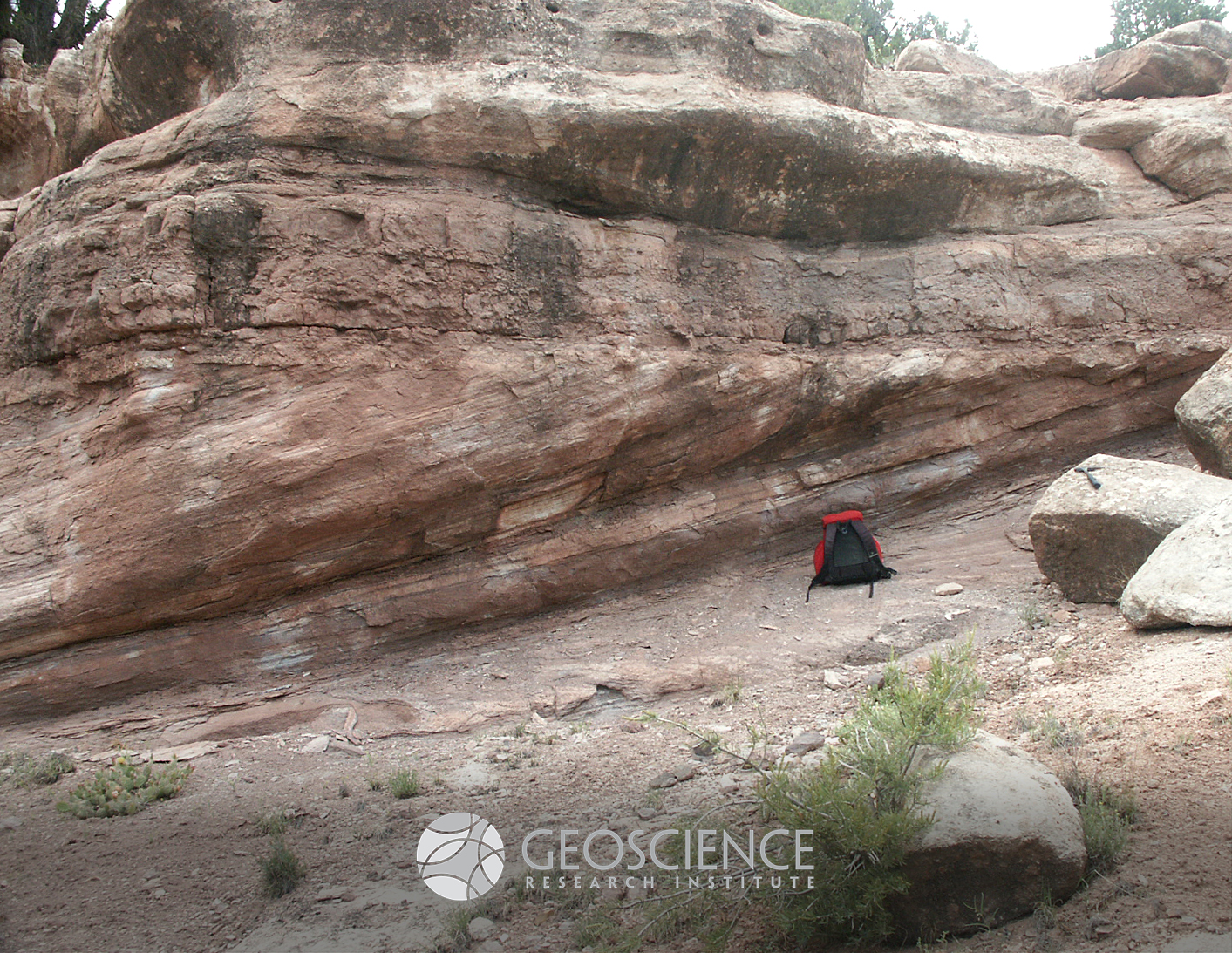
Clinostratification
The principle of original horizontality is one of the basic principles of stratigraphy. It states that sediments are deposited in essentially horizontal layers, and it was enunciated already by Steno in his Prodromus (1669, p. 30): "...adeoque strata omnia praeter infimum duobus planis horizontis parallelis contineri" (...all strata, therefore, except the lowest, were bounded by two planes parallel to the horizon). There are, however, exceptions to this principle. Strata can be deposited…
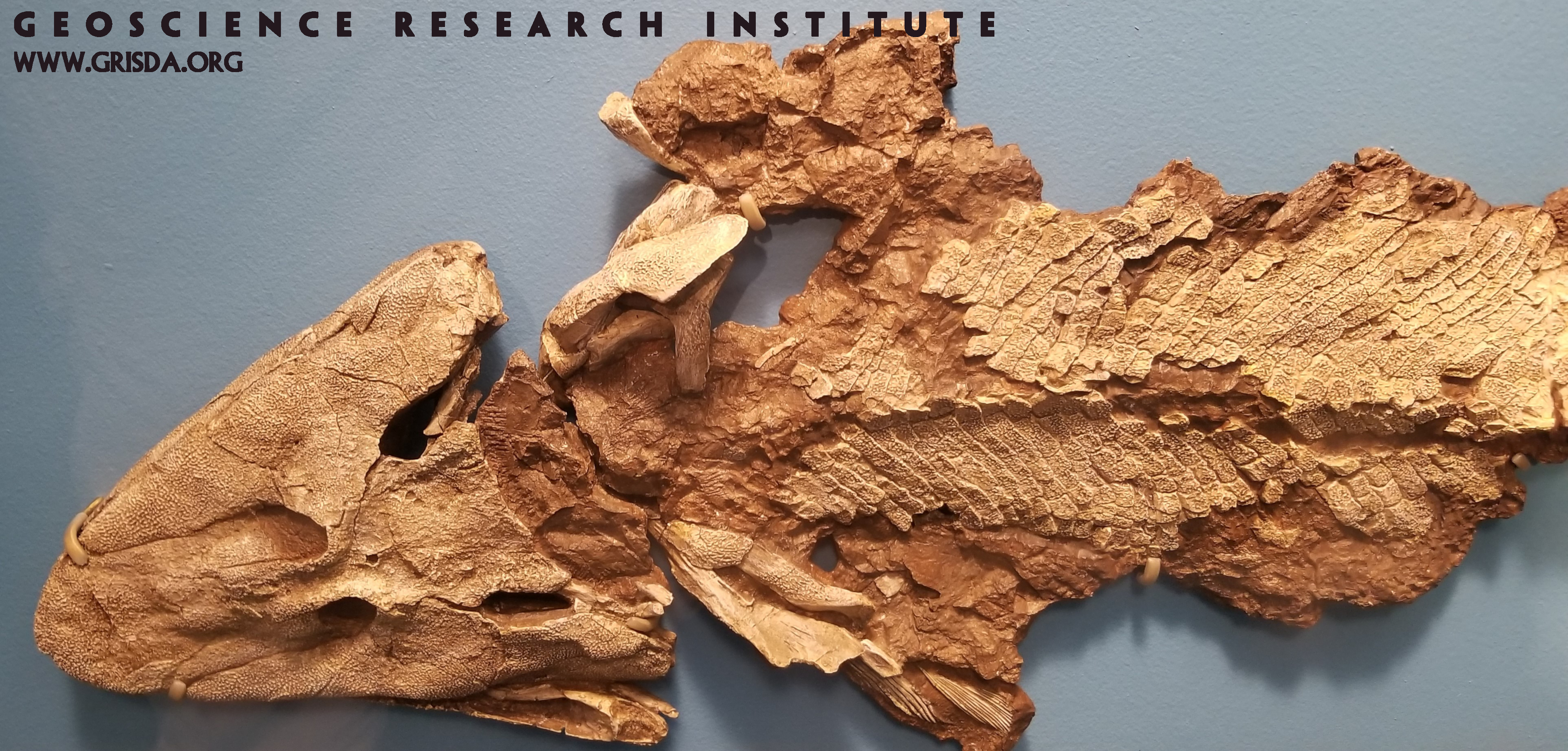
Tiktaalik roseae
A cast of a famous specimen (about 50 cm in size) of the lobe-finned fish Tiktaalik roseae, from the Devonian of Canada, on display at the Field Museum of Natural History, Chicago. Tiktaalik is often presented as a "missing link" in tetrapod evolution. However, as it often happens, the picture of "sequential transitions" is much more complicated when looked at in detail, with mosaic distribution of characters between various forms.
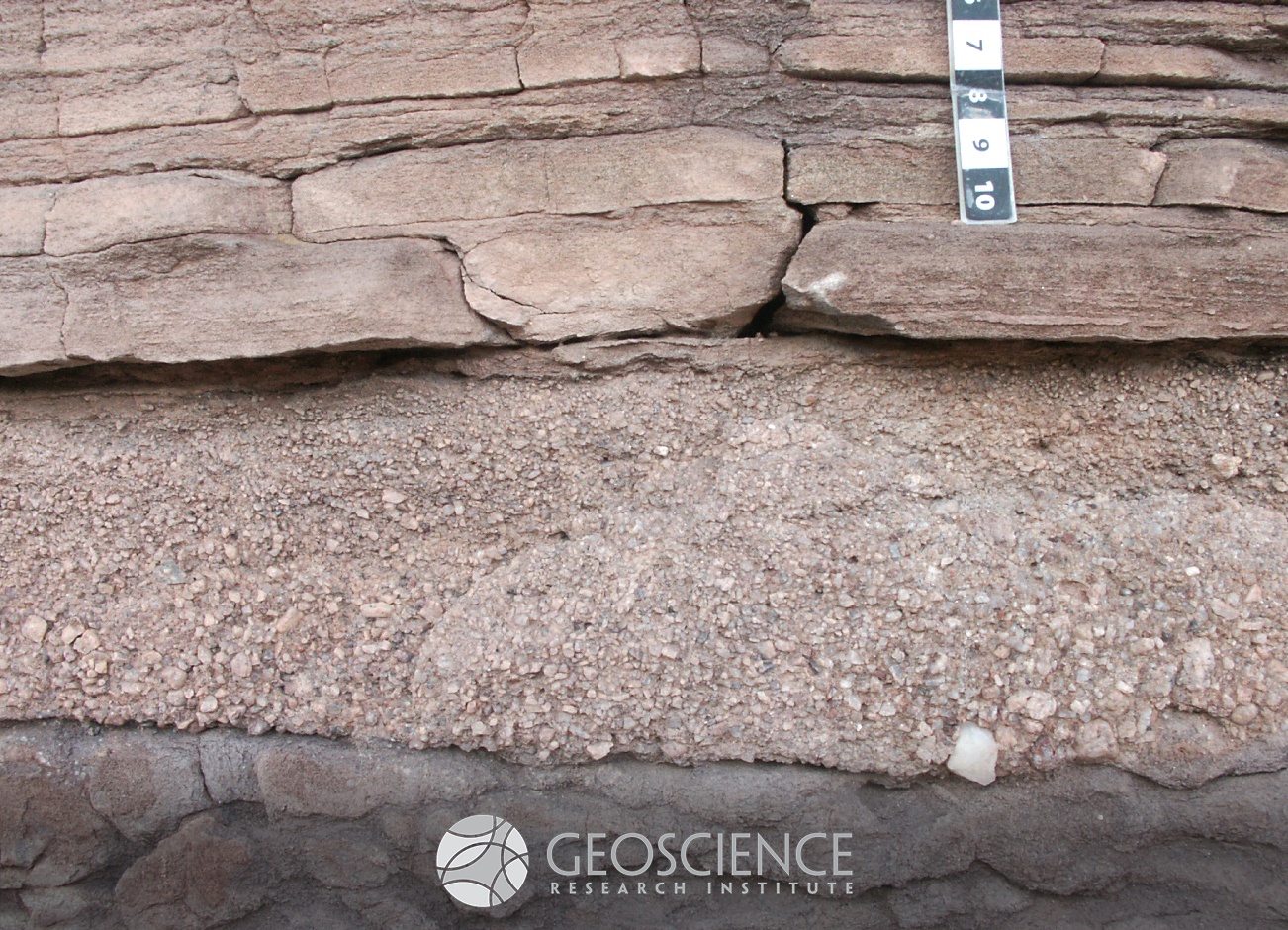
Normal grading
Normal grading is a type of arrangement of particles in a sedimentary bed, where coarser grains lie at the bottom and finer grains at the top, resulting in a general fining-upward size distribution. Several physical processes can produce normal grading, but most commonly it is indicative of a decrease in the energy of the flow transporting the particles. The bed in the lower half of this picture shows normal grading from microconglomerate angular pebbles to granules to coarse sand at the top. Pennsylvanian…
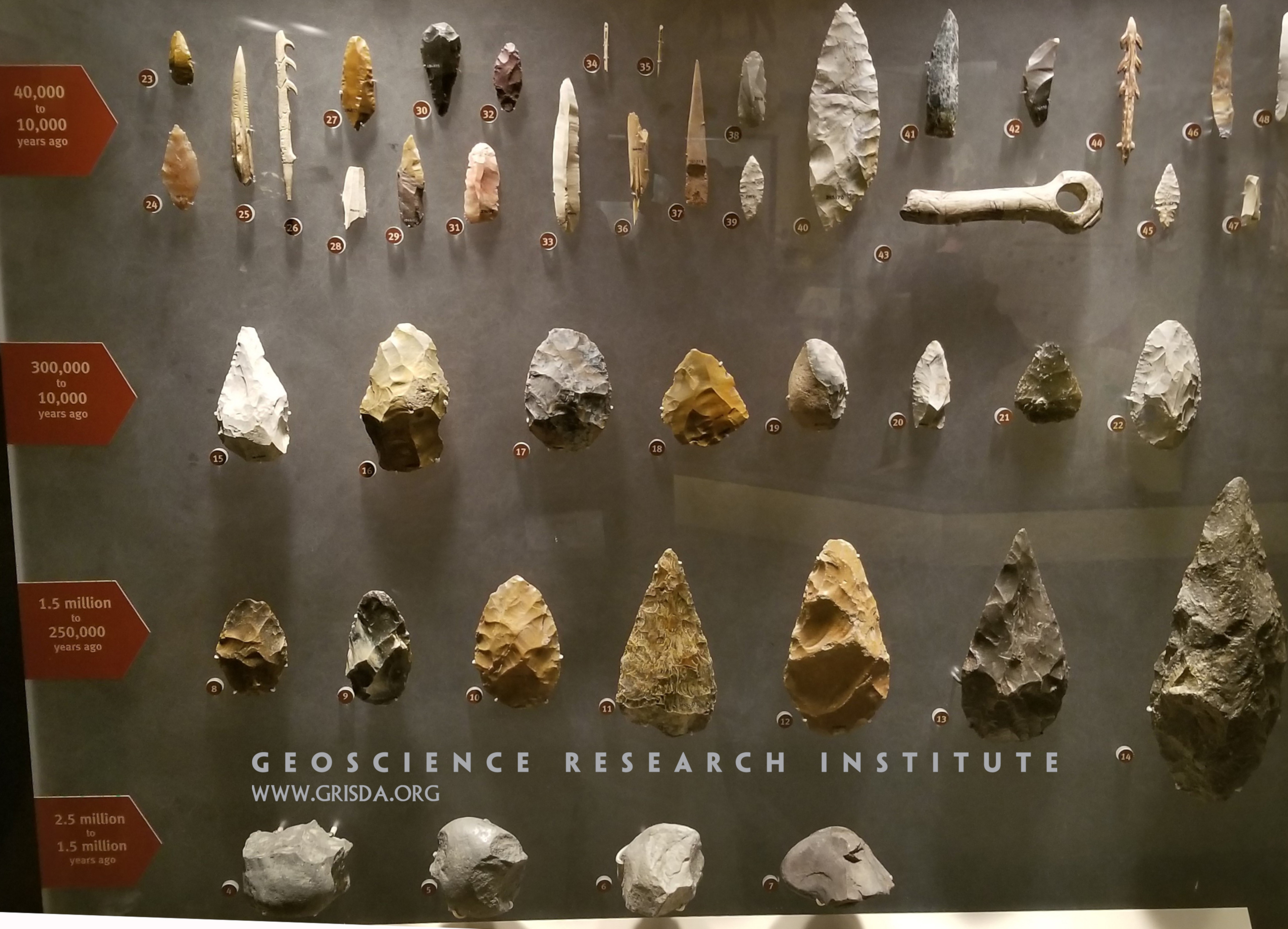
Lithic tools
A panel on display at the Chicago Field Museum of Natural History, meant to illustrate how the appearance of more complex tool kits signals the emergence of more sophisticated tool-making abilities. However, this general stratigraphic order of appearance is not as clear cut, and tools representing different lithic industries can be found in correlative layers or even in inverted order.
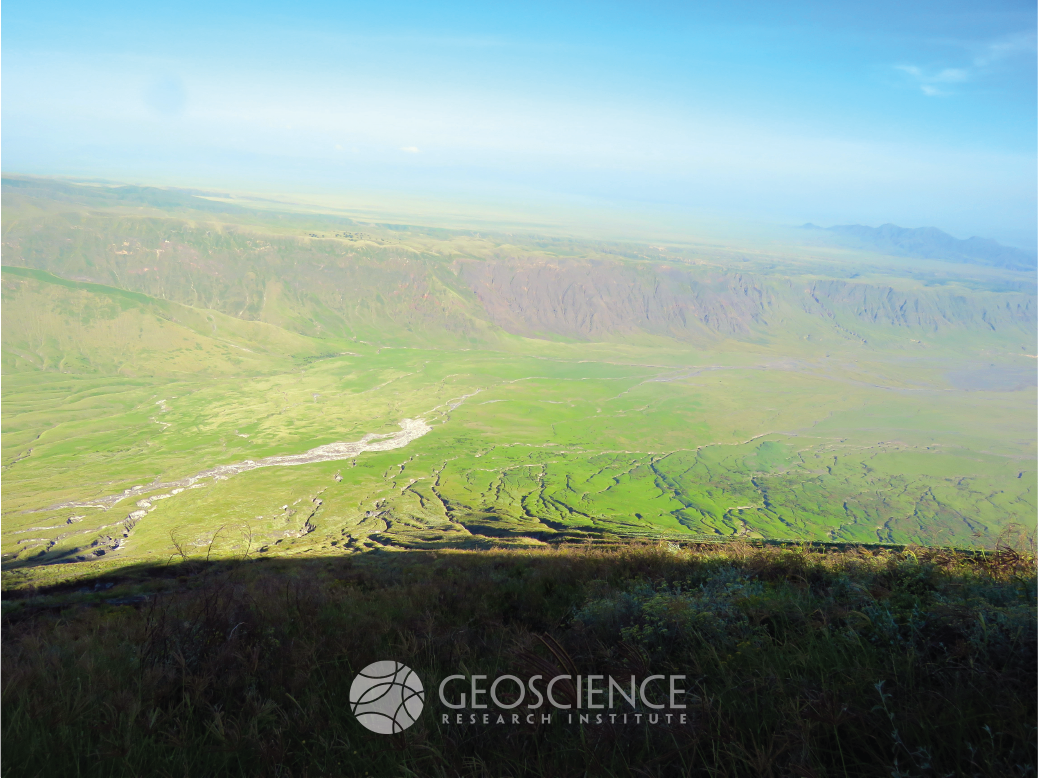
East African Rift System
Splitting apart Africa: The East African Rift System or Great Rift Valley is one of the best examples of a divergent plate boundary on land in the popular tectonic plate model. It extends almost 6000 km southward from the Afar triple junction between northern Ethiopia and the Arabian Peninsula through eastern to southern Africa, effectively splitting Africa into two separate plates. This results in thin crust with a high flow of heat from the Earth’s interior as well as a series of deep elongated…
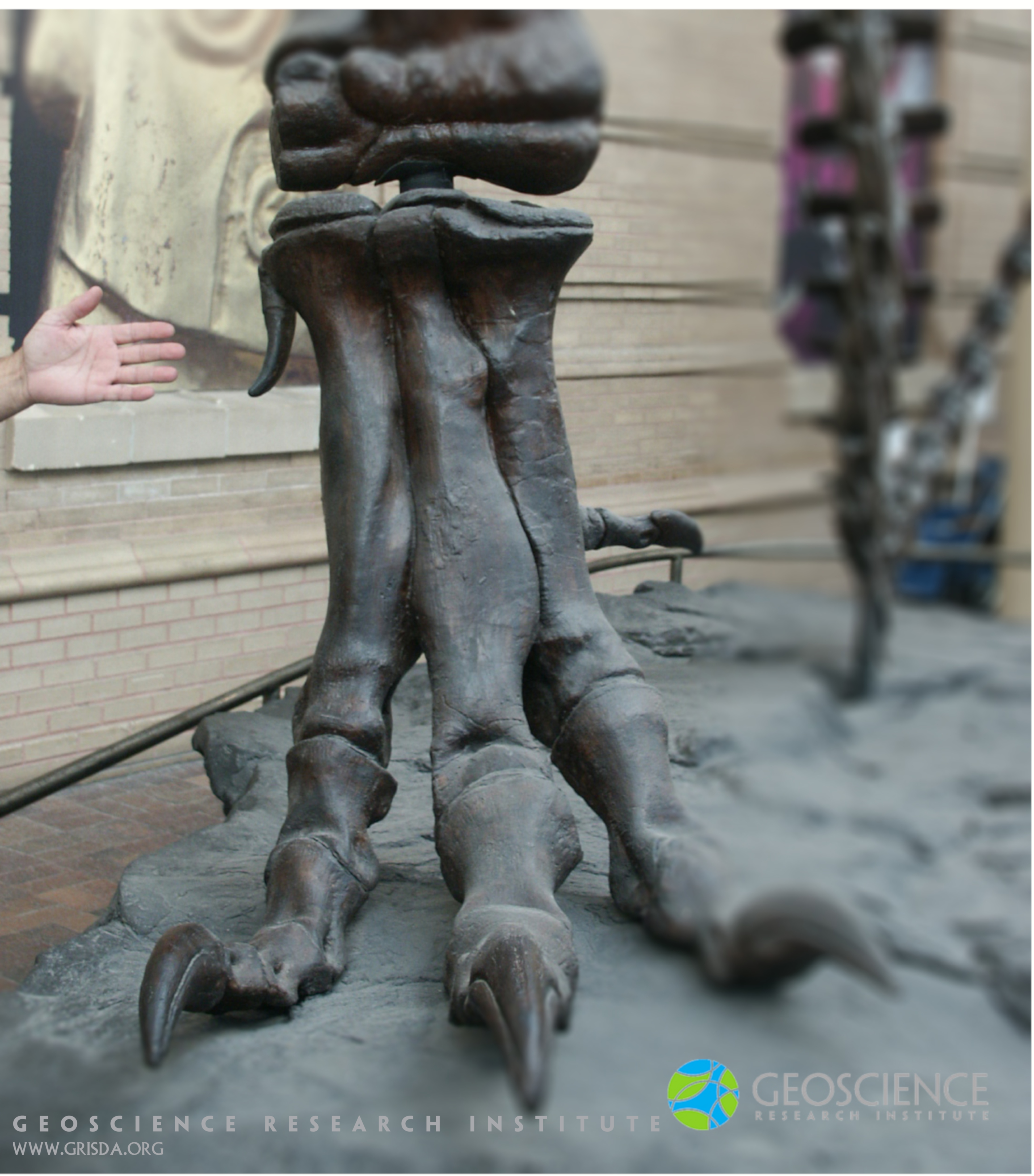
T. rex foot
Compare the foot of this big land vertebrate with the hand of a human... Pretty massive animal, right? Can you guess the species? Well, a T. rex dinosaur, of course! This specimen welcomes you in the foyer of the Denver Museum of Nature and Science, CO, US.
Oldoinyo Lengai
Earth’s strangest volcano. Oldoinyo Lengai is part of a series of volcanoes located along the East African Rift System in Tanzania, and is considered to be the one of the most unusual volcanoes on Earth. The name means "Mountain of God” in the local Maasai language. Oldoinyo Lengai uniquely erupts sodium, potassium, and calcium carbonate lava, forming very alkaline rocks called natrocarbonatites. The lava is much cooler than the silicic lava of other volcanoes, at around 600°C, and has a unique black…