










©Copyright 2018 GEOSCIENCE RESEARCH INSTITUTE
11060 Campus Street • Loma Linda, California 92350 • 909-558-4548

All Galleries
All Images












Mass mortality
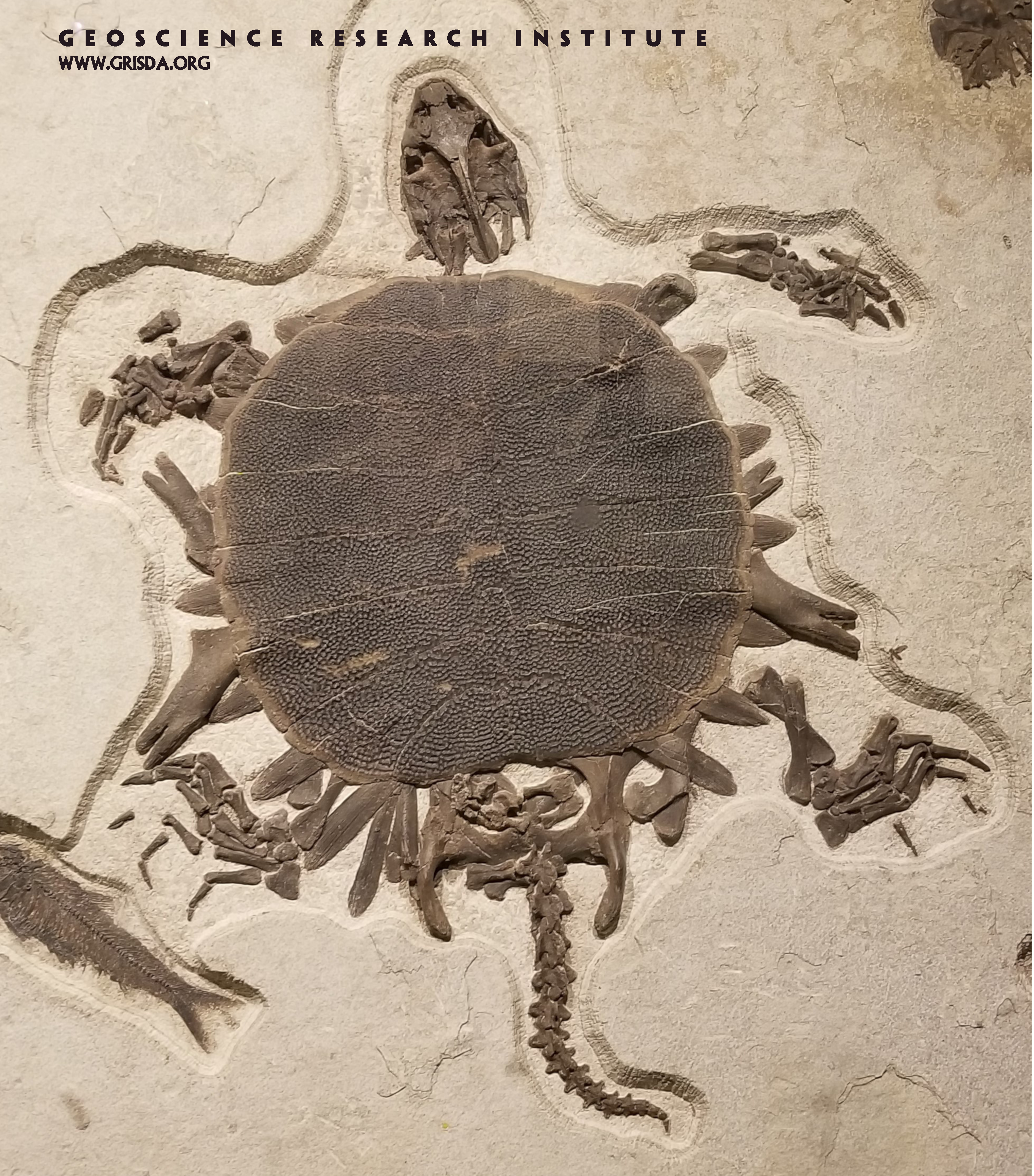
5 different organisms (a soft-shelled turtle, 3 species of fish, and an insect) are preserved in close proximity on this slab from the Eocene Fossil Lake Basin, Wyoming (on display at the Field Museum of Natural History, Chicago).
SweetwaterRdBigFold
TECTONIC FOLDING: Large fold in gypsum layers, Sweetwater Canyon --- Folding is the result of enormous tectonic forces.
Phosphate deposits
A number of small hills dot the eastern shore of Lake Manyara in Tanzania, along East Africa’s Rift System. Each of the hills are composed of granitic rocks called kopjes, surrounded by a valuable resource – abundant phosphate deposits. Geologists studying them have determined that in the past they were islands during a time when Lake Manyara was larger. Flamingos built their nests on them and their droppings built up around the islands to depths of tens of meters. Since the flamingo diet is mainly…
Taniwhasaurus
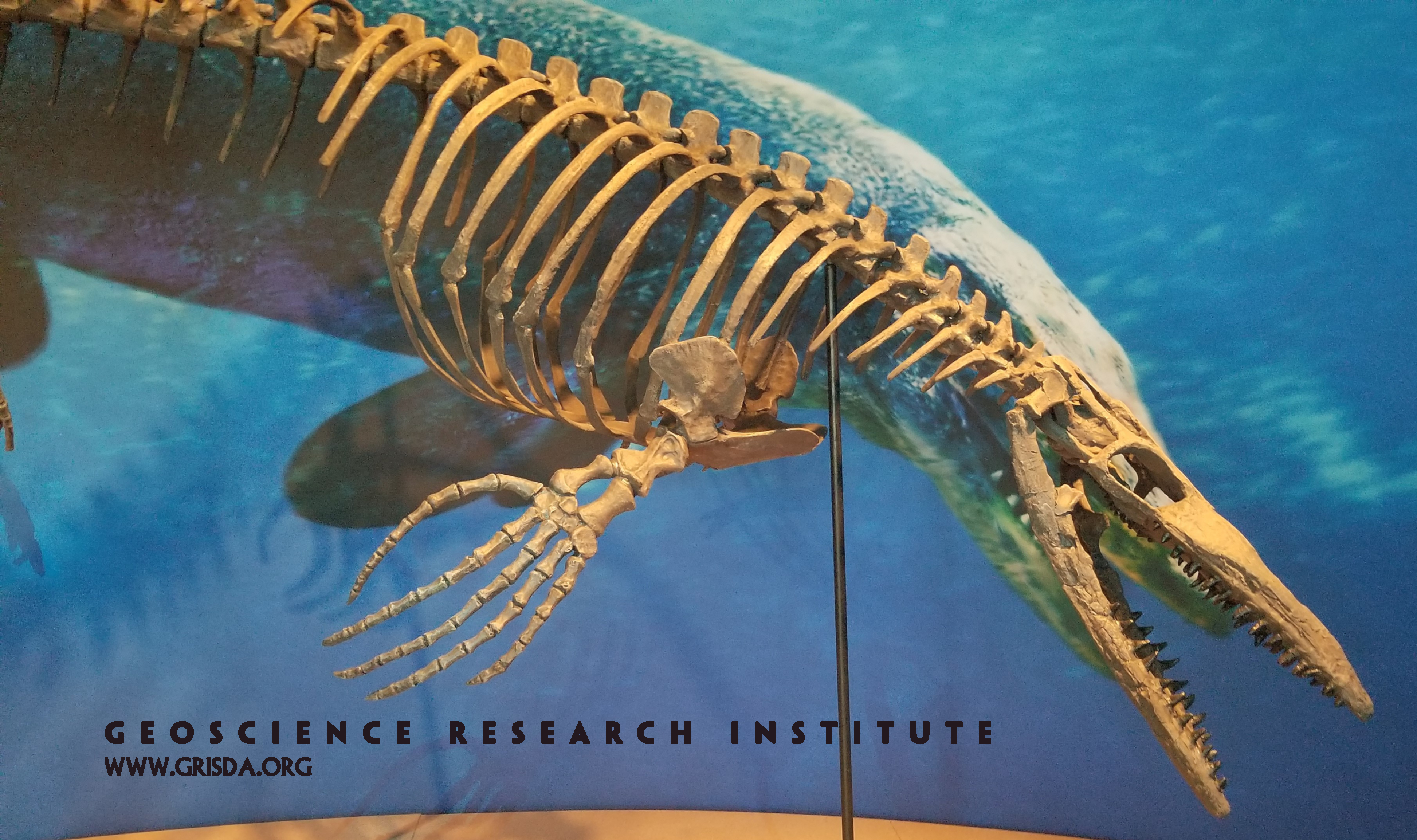
Replica of the skeleton of a Cretaceous large marine reptile, Taniwhasaurus antarcticus, on display at the Chicago Field Museum of Natural History. Remains of this reptile are found in locations both within the southern and northern hemisphere, illustrating an example of widespread distribution of a fossil type.
Ursus spelaeus
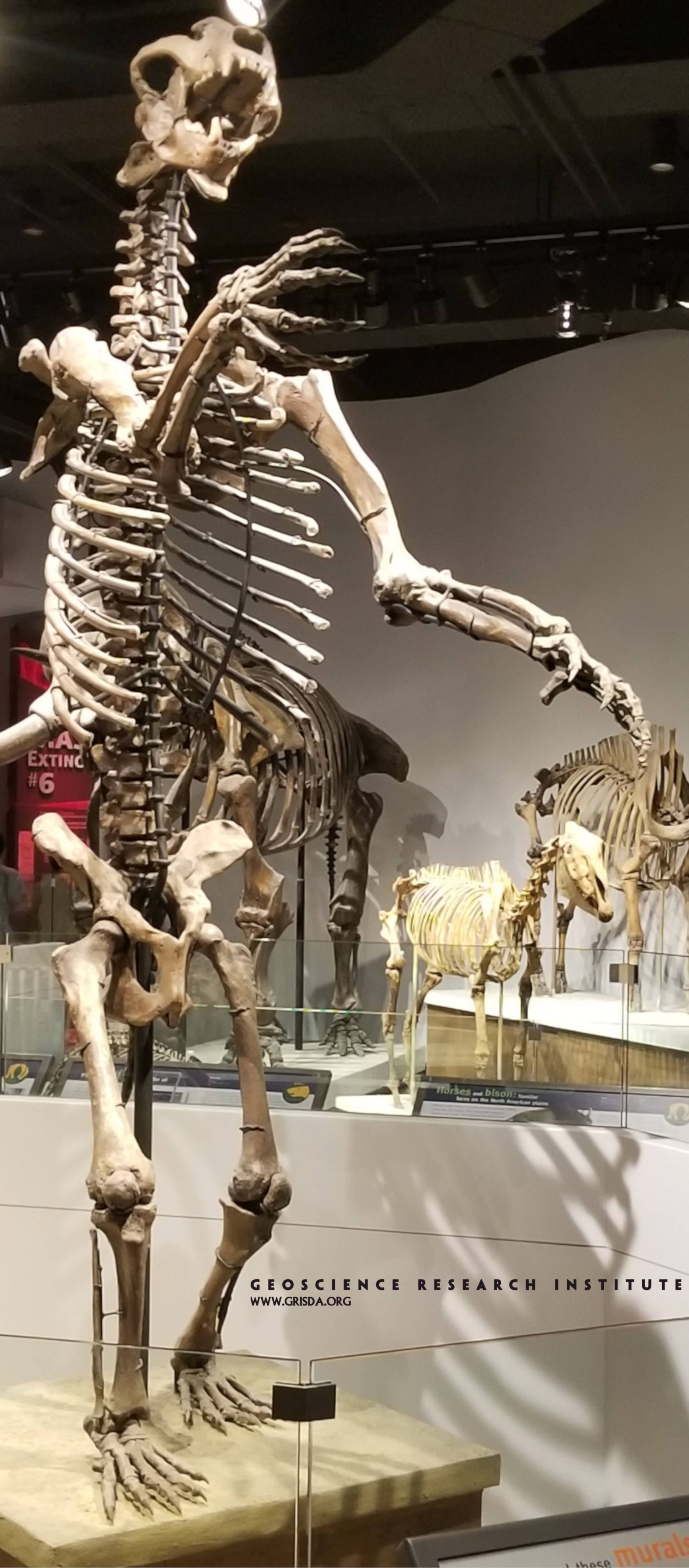
This large-sized extinct bear was a representative of the so-called Pleistocene megafauna. Specimen mounted and on display at the Chicago Field Museum of Natural History.
Trail142Fault & river & arch
TECTONIC FAULTING: Mitten Park Fault, Harpers Corner, Dinosaur National Monument --- Spectacular vertical fault with adjacent folding of sedimentary layers in the lower left corner of the picture.
Ngorongoro
Ngorongoro Crater, a UNESCO World Heritage site in Tanzania, is said to contain one of the world’s greatest concentrations of large game animals. This crater can also be called a caldera, due to its large size and creation by the collapse of a volcano. Named by the Maasai after the sound produced by the cowbell (ngoro ngoro) the large volcanic caldera is evidence of a major eruption that ejected many cubic kilometers of magma out of the magma chamber underlying the volcano. This created a large cavity…
Wasp
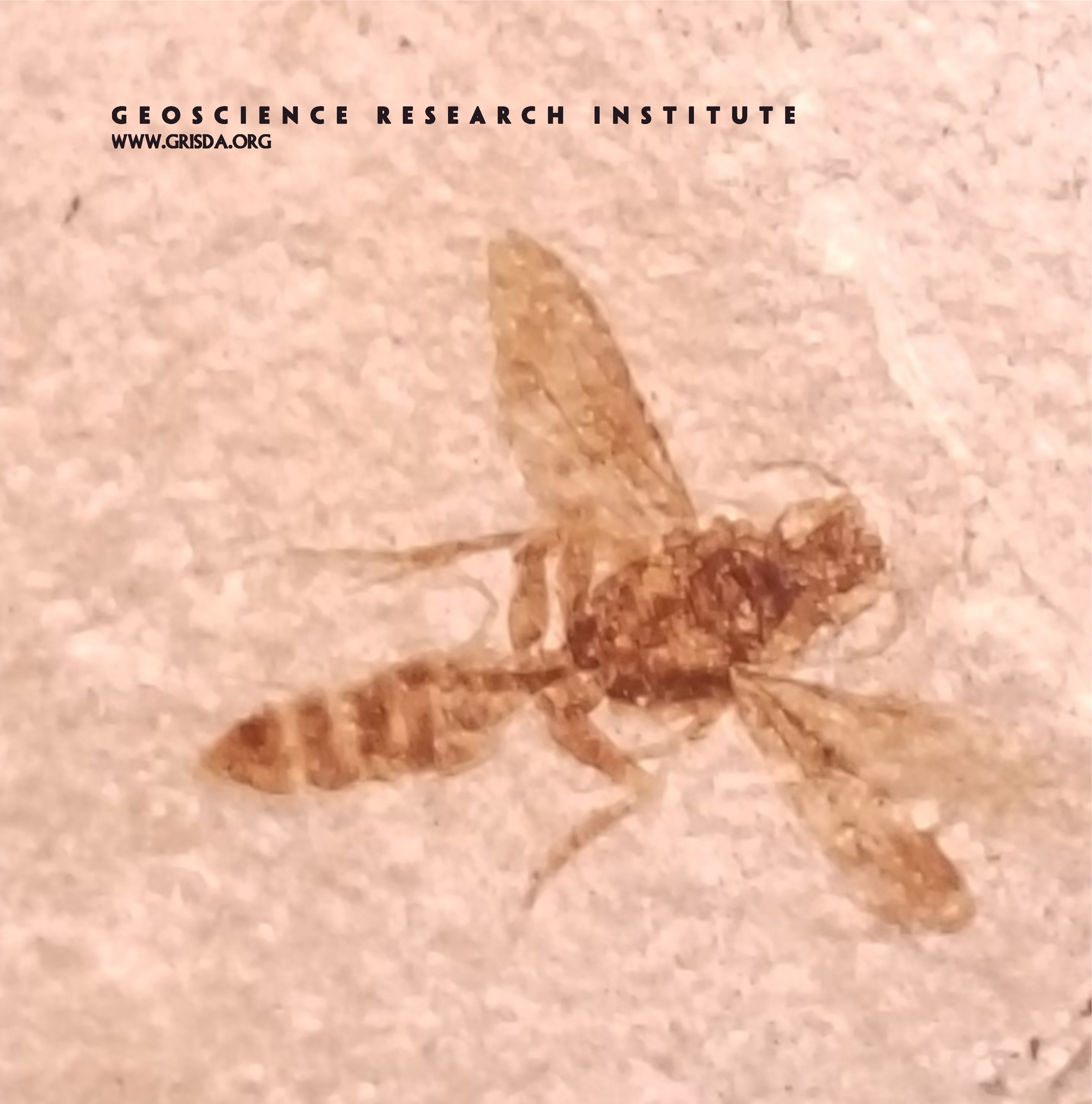
This specimen of a fossil wasp comes from Eocene strata of the Fossil Lake (Wyoming) and its body plan is quite similar to modern representatives of this type of organism. On display at the Field Museum of Natural History, Chicago.
I70 ThrustFault
TECTONIC FAULTING: Thrust fault along Interstate-70, Silverthorne --- Younger rocks on the very bottom of this picture have been thrust under older rocks. The fault line ascends slowly from the lower right edge of the picture to beyond the center where some folding of the layers at the fault contact can be seen.
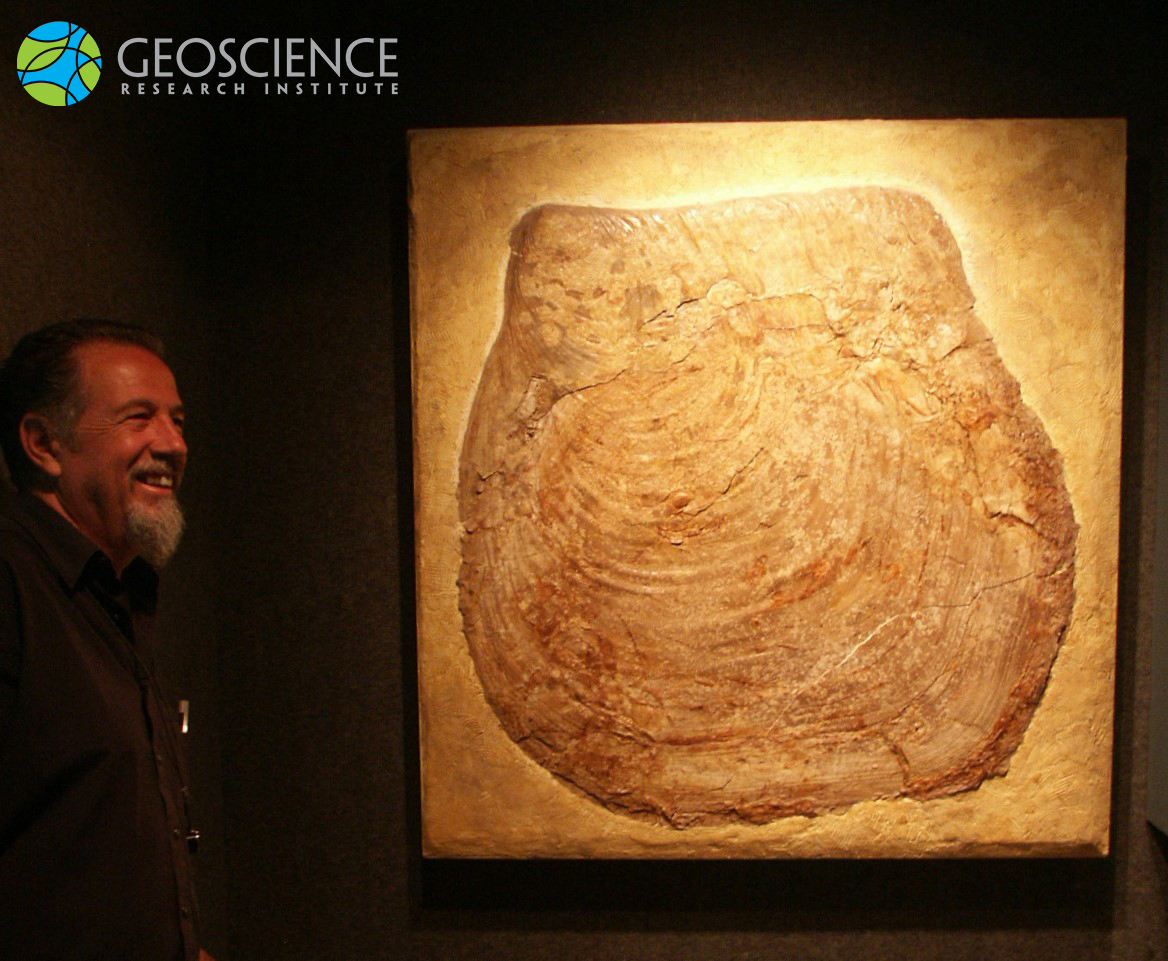
Platyceramus platinus
Dinosaurs are not the only group of organisms to disappear above Cretaceous strata. Inoceramids, a family of large bivalves, are also extinct and not found in Cenozoic layers. Remains of fish have been found preserved within some specimens of this giant clam, leading to the suggestion of possible commensalism or symbiosis. Specimen on display at the Denver Museum of Nature and Science.
Precambrian granites
Mwanza, located along the southern shore of Lake Victoria, is Tanzania’s second largest city and one of the fastest growing cities in the world. It is nicknamed “the Rock City” due to the numerous hills covered with granite boulders that stretch out into the lake, creating a unique landscape. Many of the city’s houses are built around the boulders and some use granite from the rocks. The granites of Mwanza are Precambrian and belong to the stable continental crust of the Tanzania Craton. Photo by…
Rt40 WolfordMtnThrustFault
TECTONIC FAULTING: Thrust fault at Wolford Mountain east of Rt.40 north of Kremmling --- Trees take root in the older Precambrian rocks outcropping over the top half of the mountain, but do not grow in the younger Cretaceous Pierre shale outcropping over the lower half.