







©Copyright 2018 GEOSCIENCE RESEARCH INSTITUTE
11060 Campus Street • Loma Linda, California 92350 • 909-558-4548

All Galleries
All Images











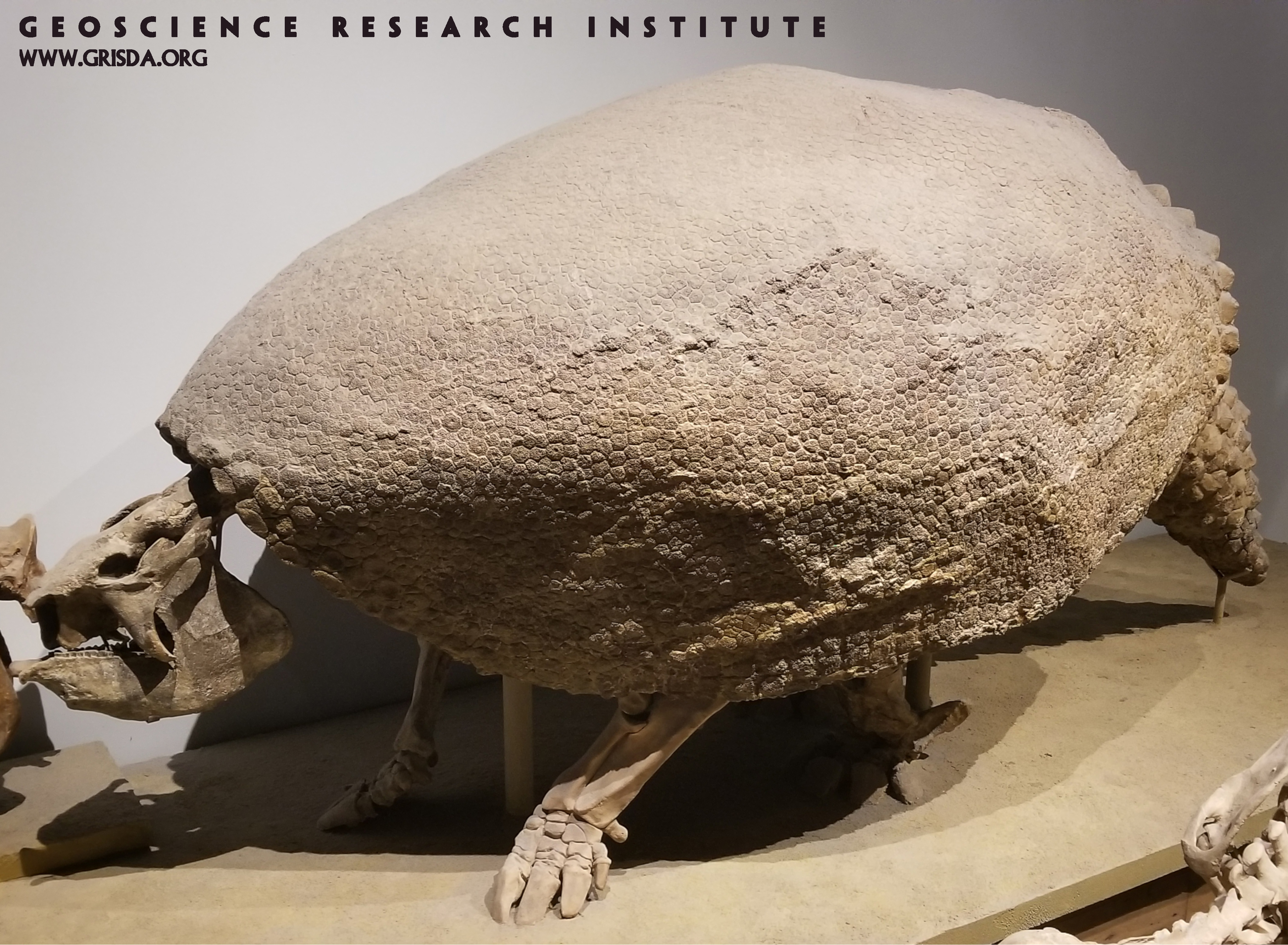
Glyptodon clavipes
Glyptodonts are another impressive type of mammal lost to extinction and part of the Pleistocene megafauna. Specimen on display at the Chicago Field Museum of Natural History.
RedRocksPark FountainFm
SEDIMENTARY - CLASTIC: Sandstone of the Fountain Formation, Red Rocks Park, west Denver --- Vertical height of the picture is about 15 feet.
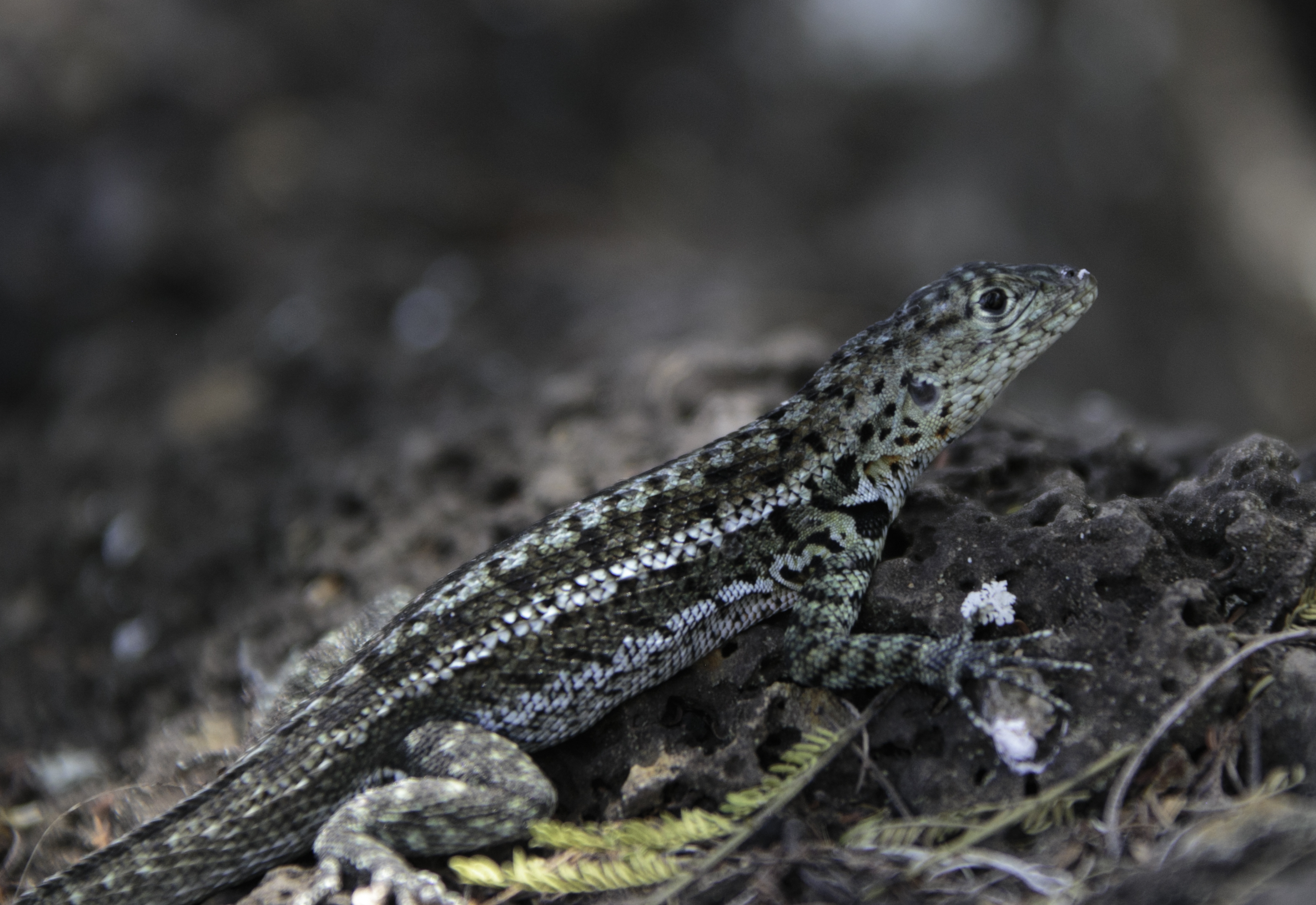
Microlophus albemarlensis
Galapagos lava lizard (Microlophus albemarlensis). These lizards are native to South America. There are about twenty recognized species, and six of them are endemic to the Galápagos Islands.
Monocline
A monocline is a fold with a subhorizontal flank passing into a high angle flank. It is usually related to the activity of a tectonic lineament, like a thrust.
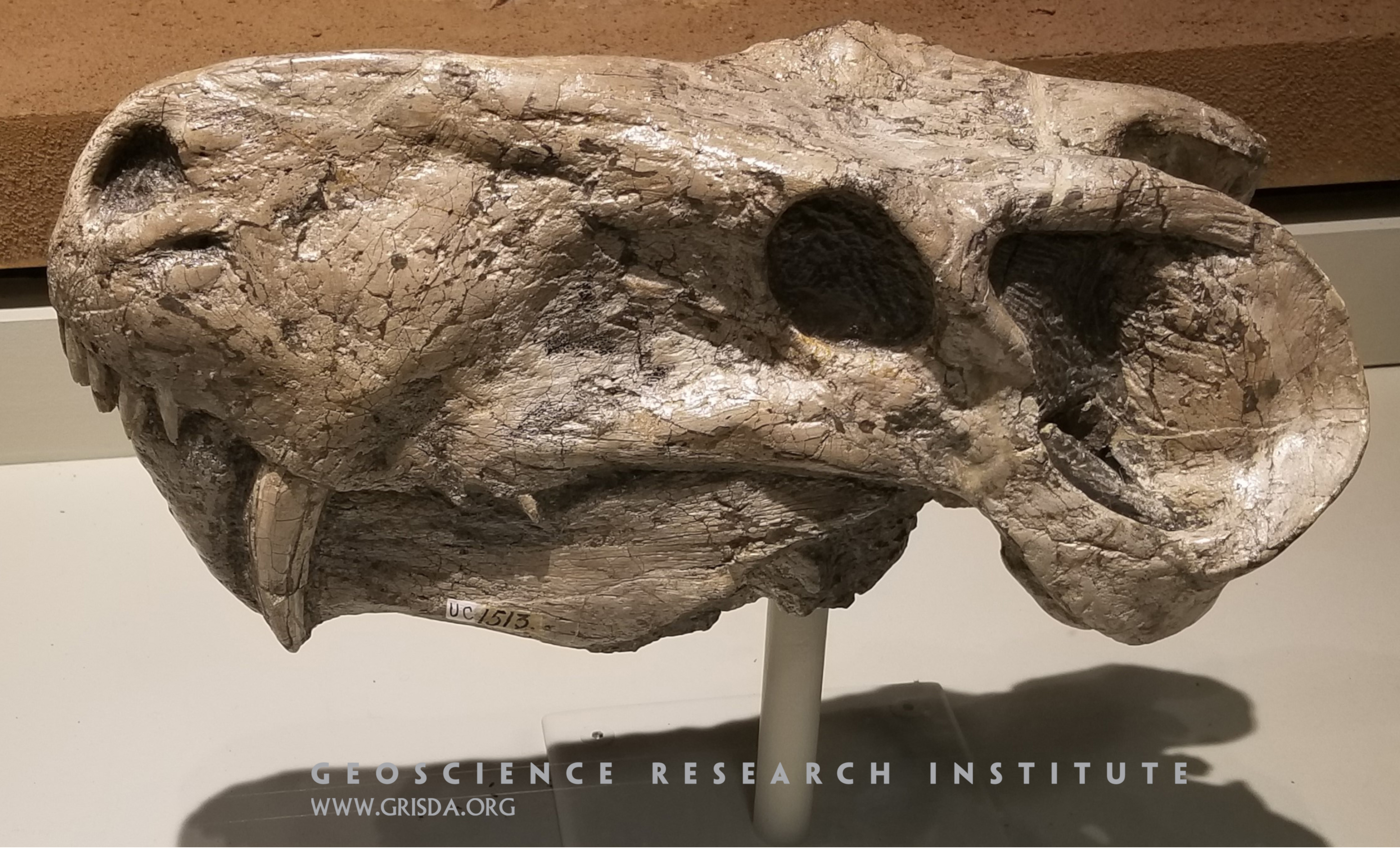
Lycaenops
The dentition of this Permian gorgonopsian from South Africa shows features, such as elongated canines, interpreted as indicative of a carnivorous mode of life. The skull (about 20 cm in size) is on display at the Field Museum of Natural History, Chicago.
Rt 139 GreenRiverFm
SEDIMENTARY - CLASTIC: Shale of the Green River Formation, Rt.139 near Douglas Pass --- Mud becomes hardened to form shale. Organic material gives the darker gray color to some of the layers; this oil shale is a mostly untapped energy resource.
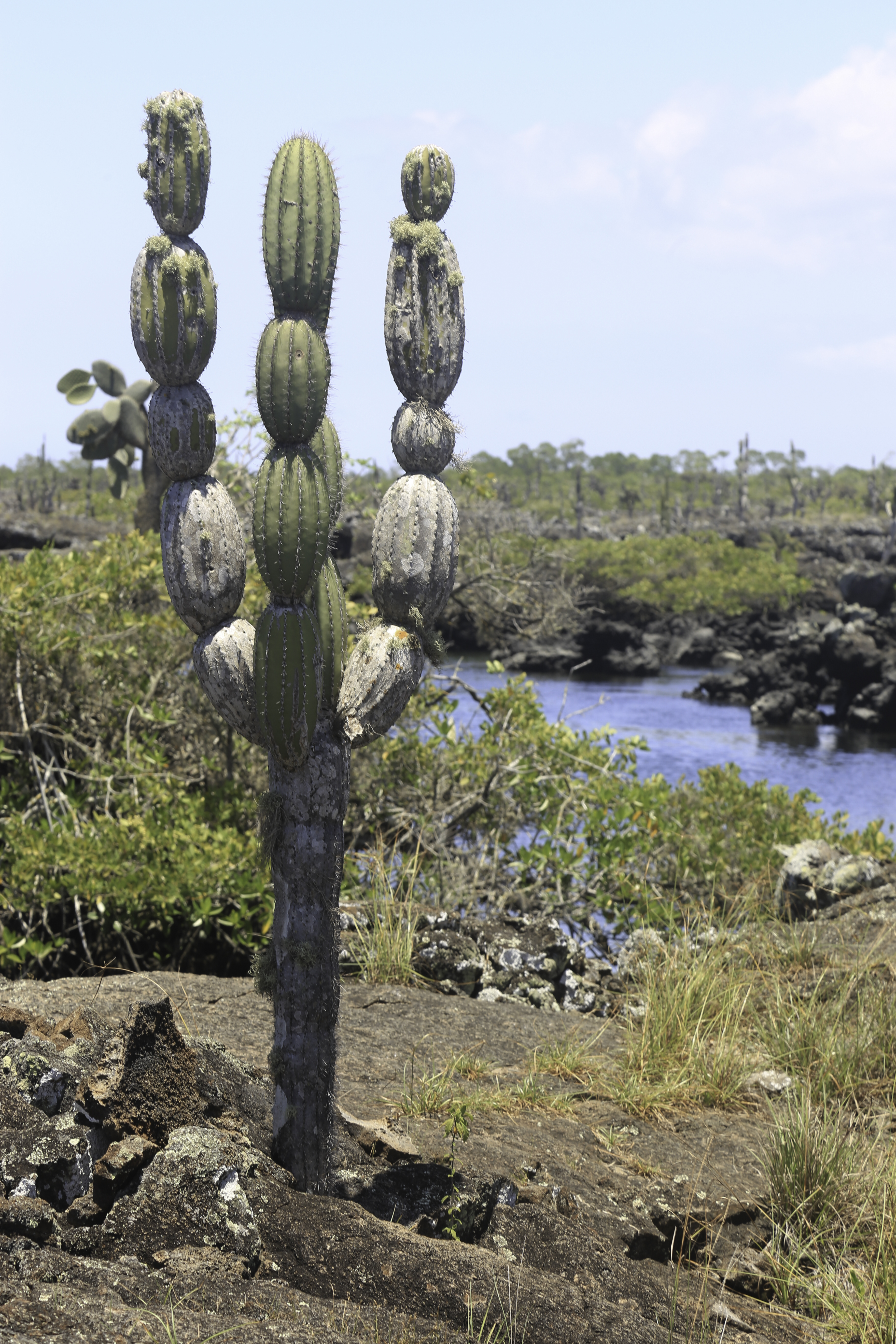
Candelabra-cactus
Candelabra Cactus. The flowers of this plant provide food for a species of Galapagos finches.
Load structures
When sediment is still unconsolidated, it can deform under sudden solicitation (e.g., seismic shocks or load by additional sediment). Water expelled from intergranular pores can generate distinctive soft sediment deformation structures, known as ball-and-pillow structures or load structures, typically found at the contact between sandstone and mudstone beds.
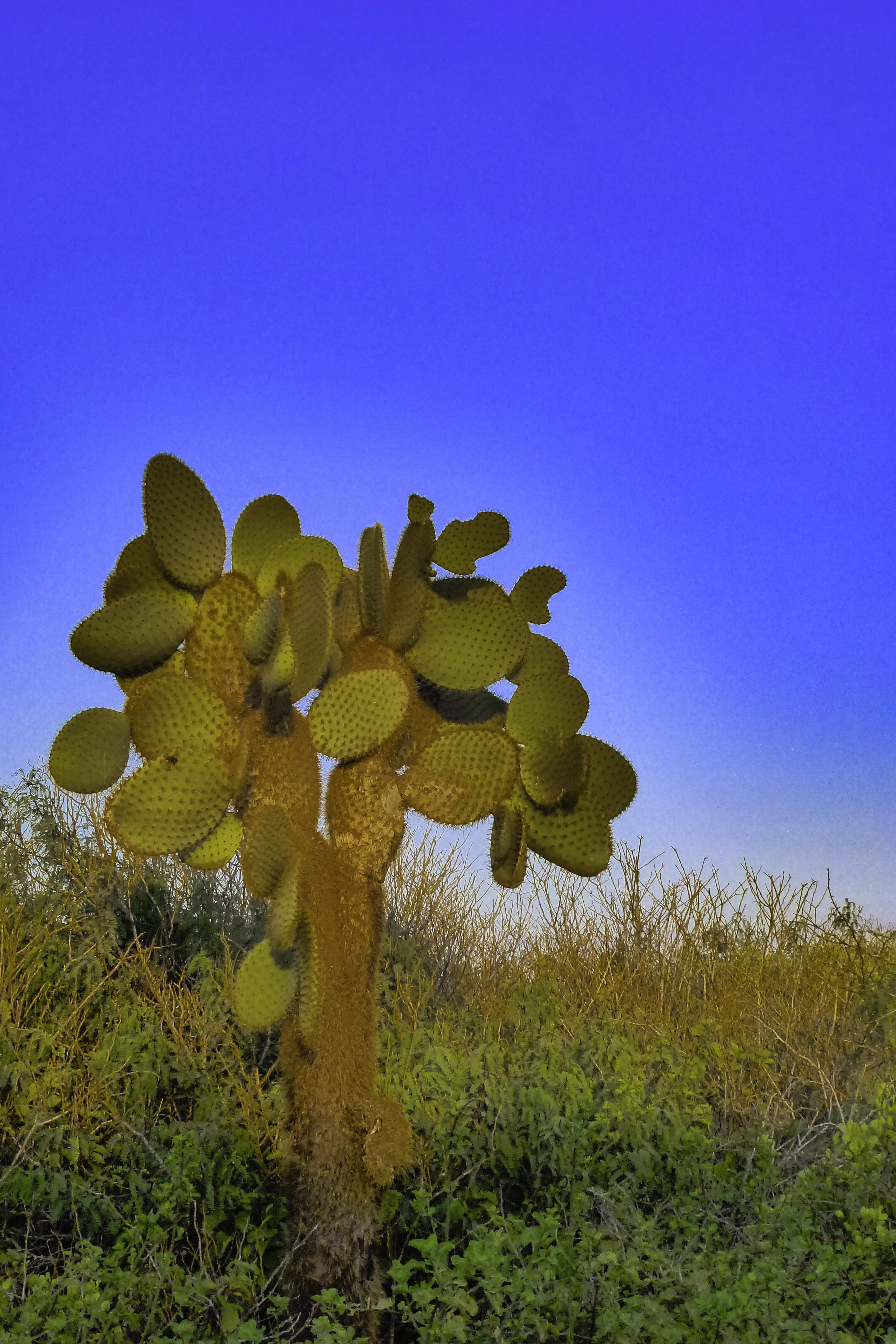
Opuntia
Opuntia Cactus: Opuntia is a genus that includes 200 species of cacti, all with broad, flat leaves. Of those species, only six grow in the Galapagos: Opuntia echios, Opuntia galapageia, Opuntia helleri, Opuntia insularis, Opuntia saxicola, Opuntia megasperma.
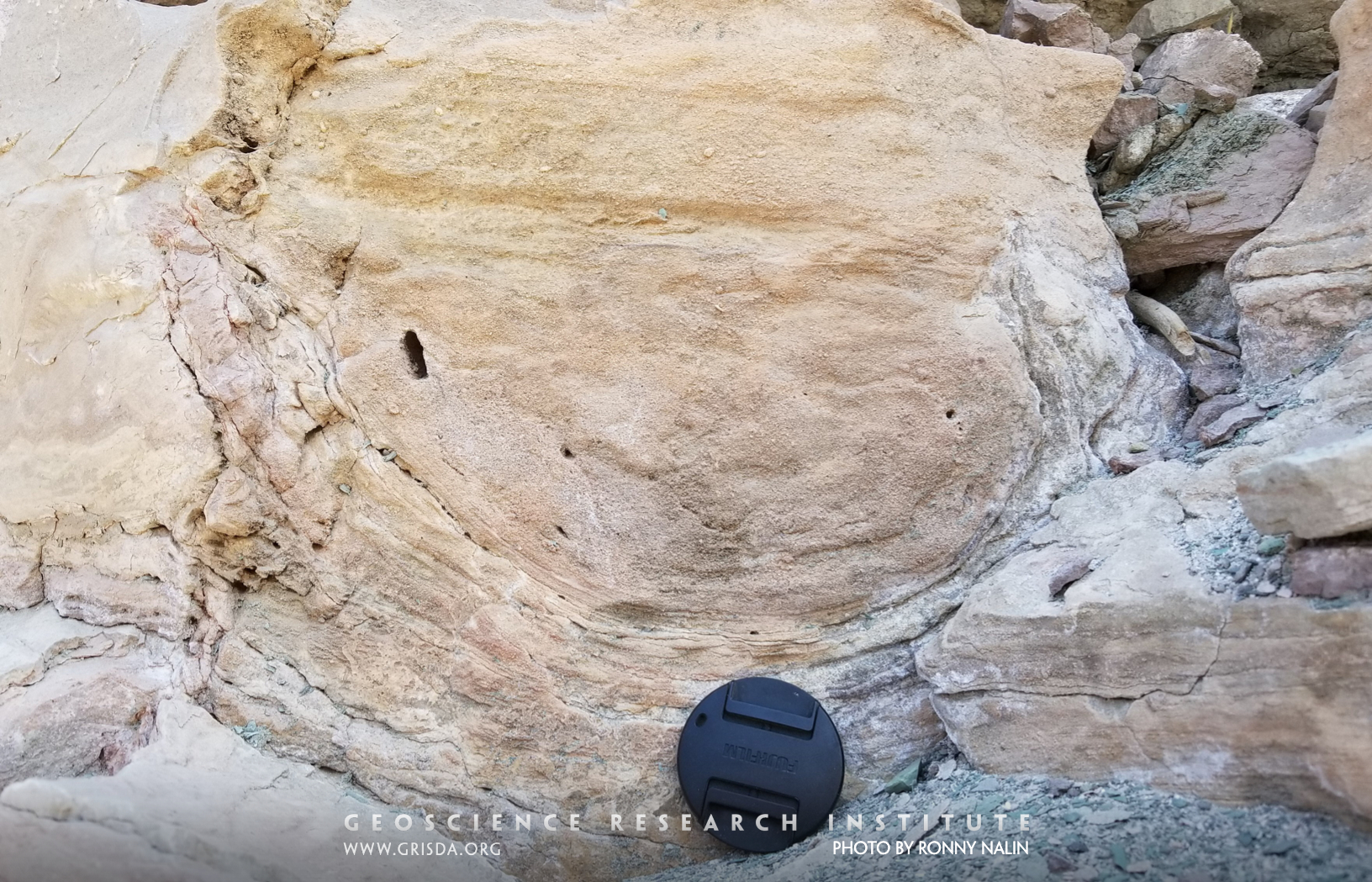
Channel
In sedimentology, a channel is a lensoidal architectural element with a concave erosional base.
Rt82 GypsumFolding
SEDIMENTARY - CHEMICAL: Pennsylvanian Eagle Valley evaporites, Rt.82 south of Glenwood Springs --- Gypsum is assumed to have formed in a hot, arid climate by evaporation of sea water in a closed basin causing the precipitation of calcium sulfate. After burial, this soft rock easily flows forming the chevron fold seen in this picture.