



©Copyright 2018 GEOSCIENCE RESEARCH INSTITUTE
11060 Campus Street • Loma Linda, California 92350 • 909-558-4548

All Galleries
All Images



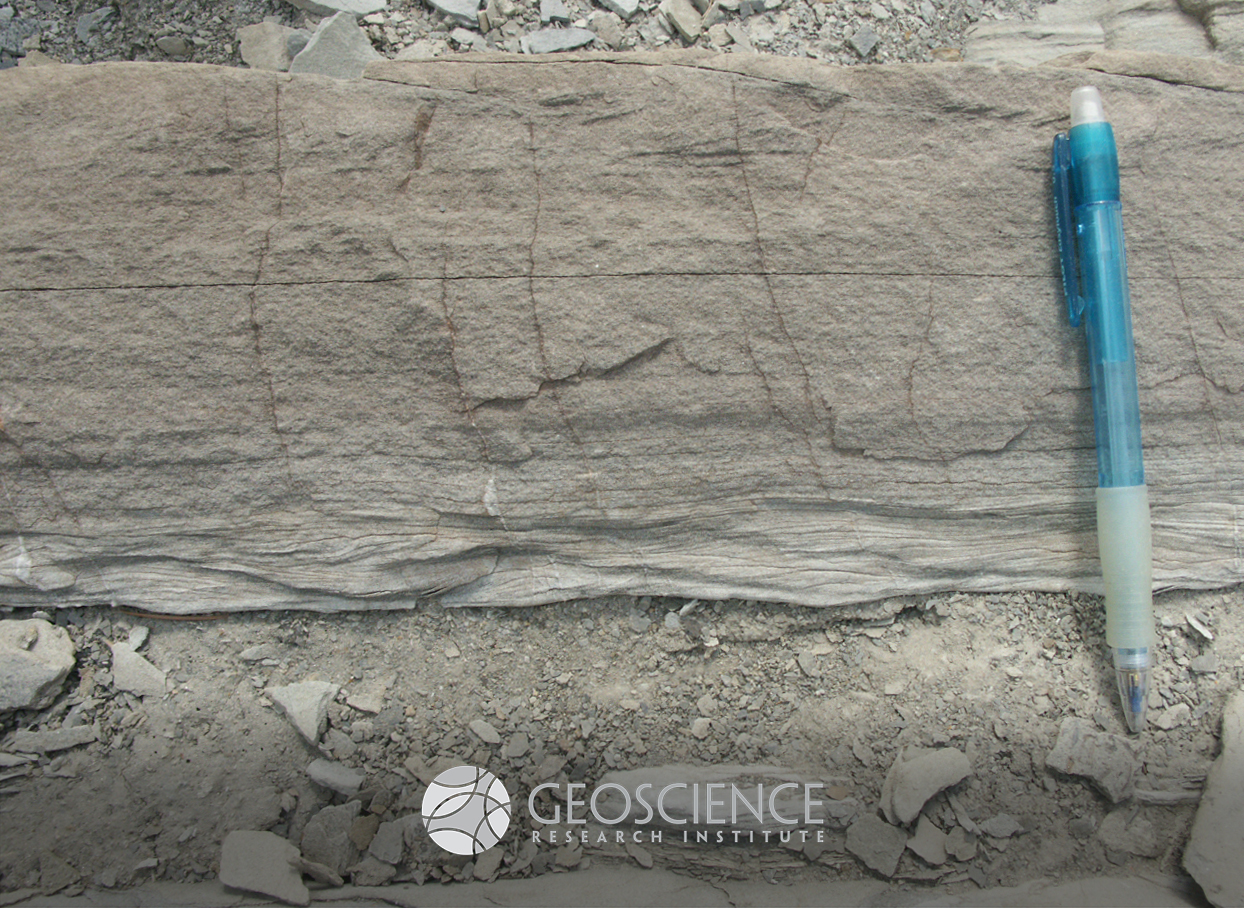
Hyperpycnite
You may have heard of turbidites. This type of deposit forms from pulse-like flows, where sediment travels rapidly down a slope because of a gravity contrast with the surrounding fluid. Turbidites typically show an upward decrease in gain size and a vertical succession of structures (massive/planar laminated/ripple cross-laminated) indicative of decreasing energy of the flow. There are, however, some deposits that differ from turbidites by showing a symmetric internal organization, with increasing…
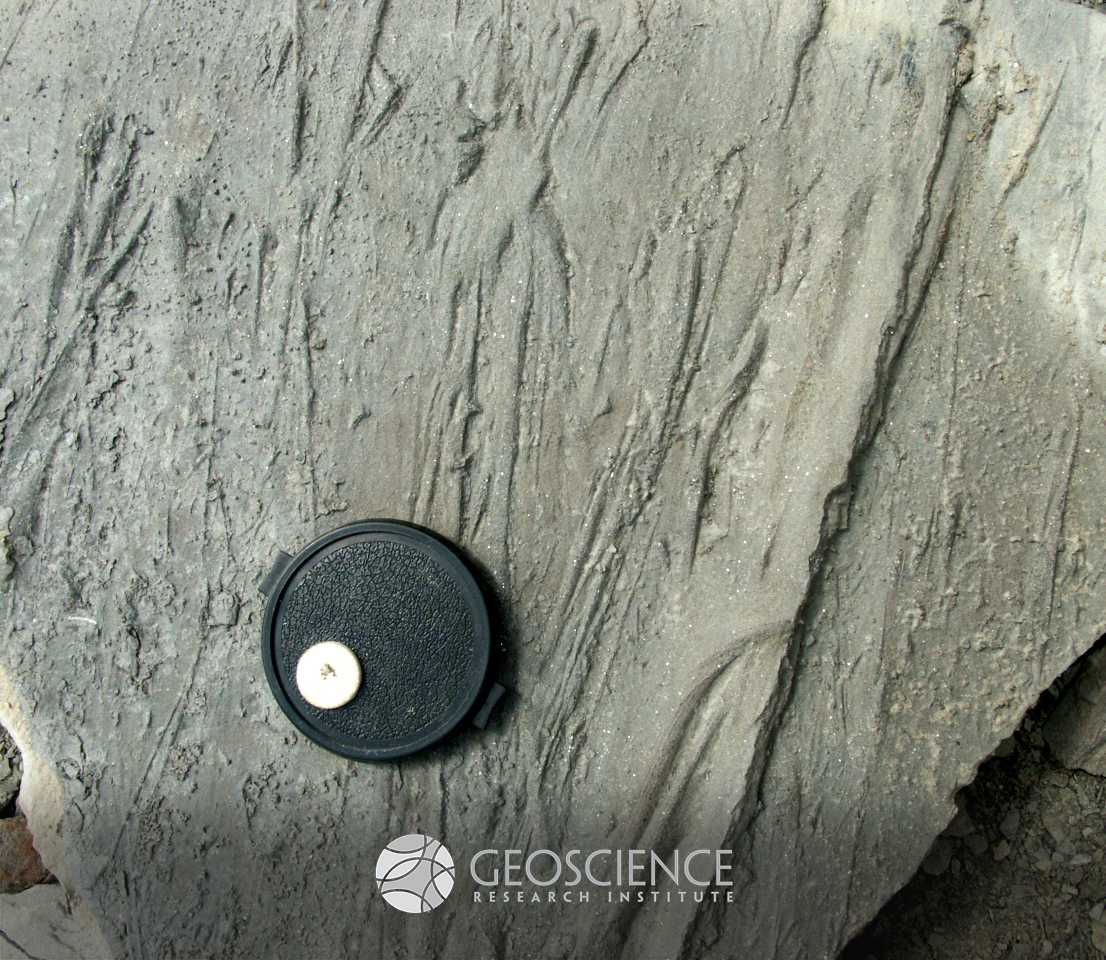
Sole marks
Sole marks are sedimentary structures found at the base of beds, best seen in surface view. They are typically preserved as casts of incisions/depressions created at the top of the underlying bed and filled with sediment of the overlying bed, often with a grainsize contrast between the beds (sand over mud). Sole marks are common in deposits of sediment gravity flows (like turbidites), where turbulence or bedload transport in an energetic flow can erode or leave marks on the underlying substrate in…
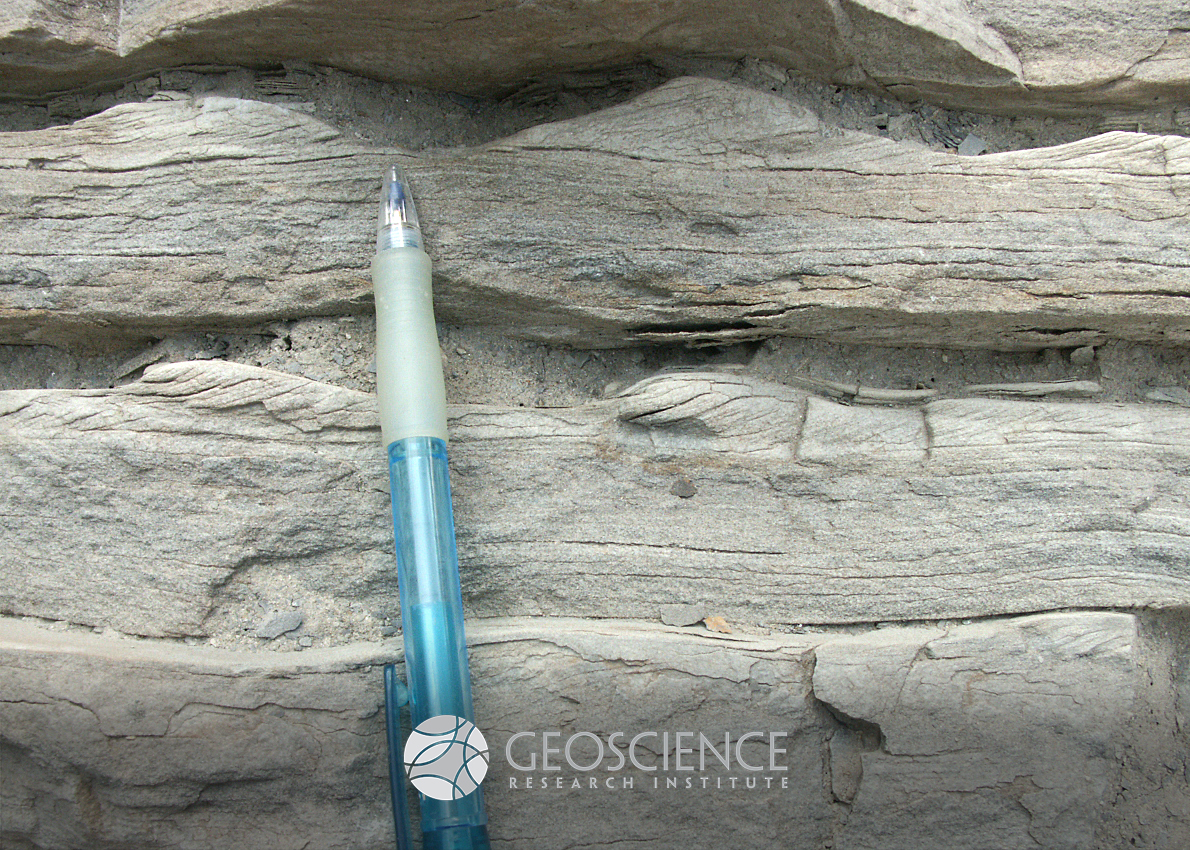
Bedforms
Bedforms are morphological patterns that form at the interface of flowing fluid and a bed of moving sediment. Typical examples include dunes and ripples. Lateral migration of bedforms can generate sedimentary structures, like ripple cross-lamination or cross-stratification. Geology students often mix up the concept of bedform and sedimentary structure: ripples are bedforms (not sedimentary structures) and ripple cross-lamination is a sedimentary structure (not a bedform). Sometimes, like in this…